Leading Industries that Benefit from Aluminum Casting Company
Aluminum Casting Explained: Key Truths and Insights for Market Professionals
Aluminum casting works as a crucial procedure in modern manufacturing, shaping elements across numerous industries. Its diverse methods, such as sand and die casting, deal with various production demands. The unique properties of aluminum alloys improve their applicability, yet tests continue to be in maintaining high quality and efficiency. Recognizing these facets is necessary for sector experts. What are the latest improvements and best practices that can better optimize this procedure?
Review of Aluminum Casting Processes

Trick elements of aluminum casting processes include the prep work of mold and mildews, which might be made from sand, steel, or ceramic products, depending on the meant use. Furthermore, temperature level control is essential to guarantee appropriate melting and solidification of aluminum.
The casting procedure enables complex layouts and can accomplish high degrees of dimensional precision. Once cooled down, the castings may undergo finishing procedures such as machining or surface area treatment to satisfy details efficiency criteria. In general, aluminum casting functions as a functional production method, effectively fulfilling the diverse needs of numerous industries.
Kinds of Aluminum Casting Approaches
In the domain of aluminum casting, numerous techniques are utilized to accomplish various results. Sand casting strategies provide flexibility and cost-effectiveness for complicated forms, while die casting processes offer high precision and performance for automation. Understanding these methods is crucial for choosing the ideal approach based upon task demands.
Sand Casting Strategies
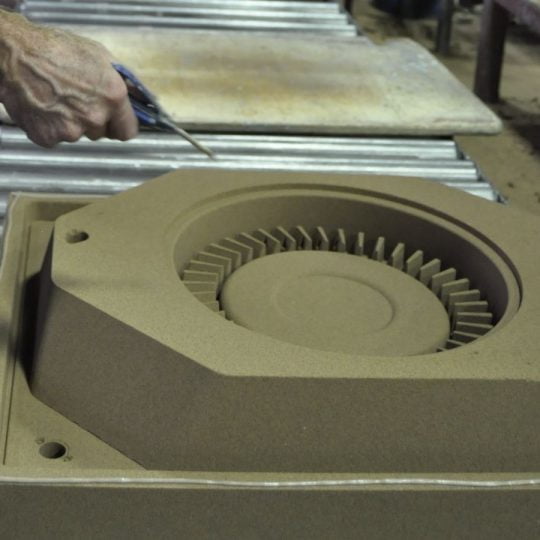
Sand casting techniques stand for an essential technique in aluminum casting, where sand is utilized as a mold product to form molten steel. This process includes producing a pattern from the desired part, which is then positioned in a sand combination to form a mold and mildew. The sand is compressed around the pattern, and after removal, it produces a tooth cavity in the form of the part. Molten aluminum is put right into this tooth cavity, enabling it to cool and strengthen. One substantial benefit of sand casting is its adaptability; it can fit big parts and intricate shapes. Furthermore, the materials utilized are fairly cost-effective, making it an easily accessible alternative for different manufacturing applications in the aluminum industry.
Die Casting Processes
Die casting processes are a noticeable technique for shaping aluminum components, making use of high-pressure techniques to force molten steel into specifically crafted mold and mildews. This process is especially preferred for its capability to create complicated shapes with tight tolerances and a smooth finish. There are two key sorts of die casting: hot chamber and chilly chamber. Hot chamber die casting is ideal for metals with low melting factors, enabling faster production prices. Alternatively, cold chamber die casting is suitable for higher melting factor steels, requiring a different melting heating system. Both approaches improve effectiveness and minimize product waste, making them vital in vehicle, aerospace, and durable goods markets. Comprehending these procedures assists professionals pick the most ideal technique for their particular applications.
Material Characteristic of Aluminum Alloys
Toughness and Durability
Toughness and resilience are important qualities of aluminum alloys that make them appropriate for numerous casting applications. These materials display a favorable strength-to-weight proportion, allowing for the creation of lightweight yet robust elements. With respect to tensile stamina, specific aluminum alloys can be crafted to withstand significant lots without flawing. This property is especially vital in markets such as aerospace and auto, where efficiency and security are extremely important. Furthermore, aluminum alloys typically preserve their mechanical homes under diverse temperature level conditions, ensuring regular performance. The inherent ductility of these alloys additionally permits reliable shaping throughout the casting procedure, making it less complicated to generate complicated geometries. Generally, the toughness and resilience of aluminum alloys contribute substantially to their extensive usage in innovative applications.
Deterioration Resistance Characteristics
While aluminum alloys are here prized for their strength and lightweight residential properties, their rust resistance is another vital feature that enhances their viability for different applications. Aluminum normally creates a safety oxide layer when revealed to dampness, which helps to stop further oxidation. This fundamental residential or commercial property makes aluminum alloys particularly important in atmospheres susceptible to rust, such as industrial and aquatic setups. In addition, different alloy compositions can influence resistance levels, with certain alloys specifically engineered to improve this particular. Therapies like anodizing can even more boost deterioration resistance by thickening the oxide layer. As a result, understanding the rust resistance of aluminum alloys is necessary for sector specialists when picking products for tasks needing longevity and long life in tough settings.
Advantages of Aluminum Casting in Manufacturing
Aluminum casting offers many advantages in production, making it a recommended option for numerous industries. One substantial benefit is its lightweight nature, which adds to reduced transport prices and enhanced energy efficiency in output. Aluminum's outstanding thermal and electric conductivity enhances performance in applications needing warmth dissipation or electrical transmission.
The product's capacity to be cast into detailed forms permits layout flexibility, minimizing the need for added machining procedures. Furthermore, aluminum casting shows remarkable deterioration resistance, leading to longer product life-spans and lower maintenance expenses.
Common Applications of Aluminum Castings
The adaptability of aluminum casting allows its widespread use throughout different industries. Typical applications include auto parts, where light-weight and corrosion-resistant components, such as engine blocks and transmission housings, boost automobile efficiency. In the aerospace field, aluminum spreadings are used for architectural components, providing strength without adding considerable weight.
Furthermore, the electrical industry gain from aluminum castings in manufacturing rooms and heat sinks, where thermal conductivity is essential. The durable goods sector additionally incorporates aluminum spreadings in items like pots and pans, furniture, and ornamental things, incorporating visual appeals with functionality.
Moreover, the building sector employs aluminum spreadings for architectural aspects, window frameworks, and components, which provide toughness and design adaptability. In general, the diverse applications of aluminum castings emphasize their importance in modern production, adding to innovations in efficiency and product style across numerous areas.
Developments and Technical Advancements
As sectors proceed to advance, innovations in aluminum casting innovation are transforming production processes and item capacities. Developments in 3D printing and additive production have made it possible for the production of intricate geometries that were previously impossible to accomplish with traditional techniques. These innovations allow for fast prototyping, decreasing preparations and expenses.
Additionally, renovations in mold and mildew style and materials have boosted the casting process by enhancing performance and reducing waste. The combination of smart production techniques, such as IoT gadgets and real-time information analytics, enables better tracking and optimization of manufacturing parameters, leading to better outputs.
Growths in aluminum alloys offer boosted stamina, corrosion resistance, and lightweight residential properties, providing to the growing needs in aerospace and auto sectors. Jointly, these developments are not just enhancing efficiency but additionally fulfilling the strenuous standards of contemporary design applications.
Best Practices for Quality Assurance in Aluminum Casting
Making sure high-quality outcomes in aluminum casting needs adherence to finest techniques that encompass different stages of the production process. Initially, extensive material assessment is essential to confirm the quality of aluminum alloys made use of, as pollutants can significantly influence the end product. Applying exact melting and pouring techniques decreases defects; maintaining optimal temperatures stops oxidation and advertises harmony.
In addition, mold design plays a crucial duty; using computer-aided design (CAD) can boost precision and minimize human error. Regular surveillance of the cooling process is crucial to prevent warping and shrinking. Additionally, utilizing non-destructive testing methods, such as ultrasonic or X-ray evaluations, helps recognize internal defects without damaging the components.
Lastly, developing a comments loop with engineers and operators fosters continual enhancement, guaranteeing that top quality control actions advance together with technological innovations. By complying with these best techniques, makers can boost the integrity and performance of aluminum spreadings.
Frequently Asked Concerns
What Are the Ecological Influences of Aluminum Casting?
The environmental influences of aluminum casting include considerable energy usage, greenhouse gas exhausts, and prospective water pollution from shop procedures. In addition, bauxite mining for aluminum ore can bring about environment destruction and dirt degradation.
Exactly How Does Aluminum Casting Contrast to Other Metal Casting Procedures?
Aluminum casting usually uses benefits in light-weight components and rust resistance contrasted to other procedures, such as iron or steel casting, which may give higher strength yet lead to larger and much less corrosion-resistant items. - Aluminum Foundry
What Prevail Flaws in Aluminum Castings and Their Causes?
Usual issues in aluminum castings consist of porosity, contraction, and inclusions. Causes typically originate from inappropriate putting methods, inadequate mold style, or contamination of the molten metal, impacting the final product's stability and efficiency.
What Security Safety Measures Should Be Taken Throughout Aluminum Casting?
During aluminum casting, essential safety precautions include using safety equipment, ensuring proper air flow, maintaining a tidy work space, taking care of molten steel with treatment, and adhering to established protocols to decrease dangers of burns, breathing hazards, and crashes.
Exactly How Can I Enhance the Performance of My Aluminum Casting Operations?
To boost effectiveness in aluminum casting operations, one should maximize mold style, improve product handling, use automated processes, perform routine upkeep on tools, and invest in staff member training to boost skills and efficiency.
Various methods exist, aluminum casting encompasses several primary processes that cater to different applications and demands. Key aspects of aluminum casting processes include the prep work of mold and mildews, which may be made from sand, metal, or ceramic materials, depending on the intended use. Sand casting techniques represent a fundamental approach in aluminum casting, where sand is used as a mold and mildew material to shape molten steel. As markets proceed to evolve, technologies in aluminum casting innovation are changing manufacturing procedures and product abilities. Guaranteeing high-grade outputs in aluminum casting requires adherence to best methods that include different stages of the manufacturing procedure.